Knee osteoarthritis pain does not appear overnight; it builds slowly, often starting as mild stiffness and quietly progressing to something far more disruptive. Millions of people live with this condition every day, many without realising what is actually happening inside their joints. Understanding the condition properly is the first step to managing it well.
The knee is the joint that takes the most punishment over a lifetime. Walking on flat ground already loads the knee with roughly 1.5 times body weight. Climbing stairs pushes that figure to 3 to 4 times. For someone carrying extra weight, the cumulative stress over years is enormous. The cartilage inside the knee joint acts as a shock absorber and like any component under repeated load, it gradually wears down.
What Is Osteoarthritis of the Knee?
Osteoarthritis of the knee is a degenerative joint condition. It happens when the cartilage cushioning the ends of the bones inside the knee joint gradually wears away. As that protective layer thins, the bones begin to rub against each other. That friction causes pain, swelling, and stiffness.
Cartilage does not grow back. Once it is gone, it is gone. That is why managing the condition early matters so much.
The knee joint is one of the most commonly affected joints in the entire body. It absorbs a significant amount of force every day — from walking, climbing stairs, and simply standing. Over time, that repetitive stress adds up.
Osteoarthritis of the knee is different from inflammatory arthritis. It is not caused by the immune system attacking the joint. Instead, it results from wear and gradual structural change within the joint itself.
Early Signs of Knee Osteoarthritis to Watch For
Catching this condition early makes management significantly easier. The early signs of knee osteoarthritis are easy to dismiss as general tiredness or ageing — but they are worth paying attention to.
Knee Stiffness After Sitting
One of the most consistent early signs is stiffness when getting up after long periods of sitting. The knee feels stiff after sitting — tight, reluctant to move, and sometimes mildly painful. This typically eases after a few minutes of gentle movement.
Morning stiffness is also common, usually lasting less than 30 minutes. If stiffness lasts longer than that, it may suggest a different type of arthritis, such as rheumatoid arthritis.
Swollen Knee and Grinding Sensation
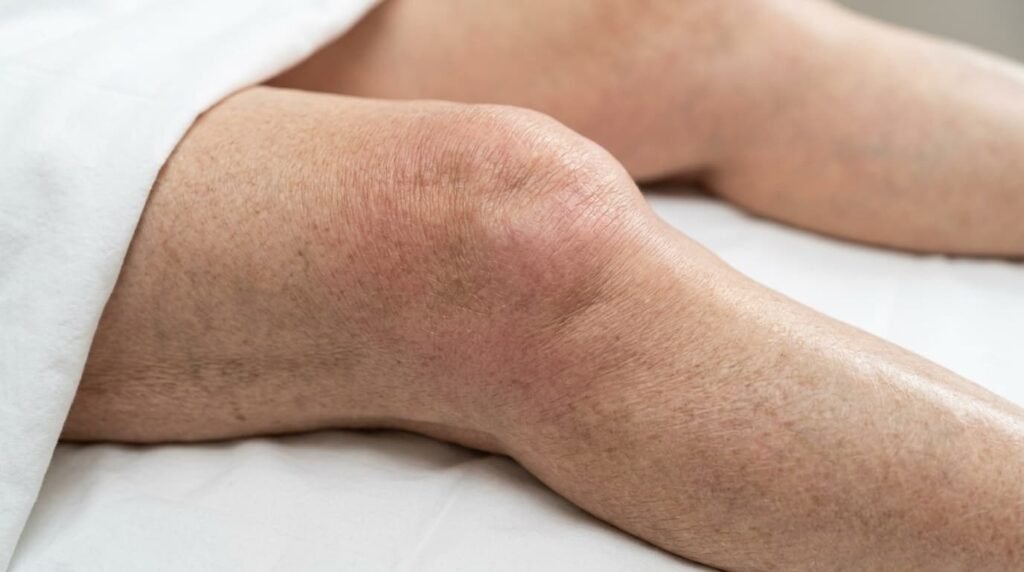
As cartilage breaks down, the joint may respond with mild swelling. A swollen knee in osteoarthritis is usually caused by excess joint fluid, not active inflammation. The swelling tends to fluctuate — worse after activity, better after rest.
A knee grinding noise when walking is another early indicator. That sound — sometimes described as crunching or creaking — comes from the roughened joint surfaces moving against each other. It is not always painful at first, but it typically signals that cartilage breakdown has begun.
Other early symptoms include:
- Aching after physical activity
- Reduced range of motion
- Mild tenderness around the joint
Stages of Knee Osteoarthritis Explained
The condition progresses through recognisable stages. Understanding the stages of knee osteoarthritis helps set realistic expectations about what lies ahead — and what can be done at each point.
Stage 1 – Minor: There is some cartilage wear, but most people feel no noticeable pain. An X-ray may show very minor changes.
Stage 2 – Mild: Symptoms begin. There is mild aching after activity, and knee stiffness after sitting becomes more regular. Cartilage is still present, so the bones are not yet grinding.
Stage 3 – Moderate: Cartilage loss has become significant. Pain occurs more frequently — during walking, going up stairs, and after exercise. The joint may swell more often.
Stage 4 – Severe: This is what is commonly referred to as a bone on bone knee. The cartilage has almost completely worn away, and the bones rub directly against each other.
Stage 4 Symptoms: Bone on Bone Knee
Knee osteoarthritis stage 4 symptoms are difficult to ignore. Pain is persistent and often present even at rest. Knee osteoarthritis pain at night becomes a real problem — many people report being woken by discomfort, which significantly affects sleep quality.
Knee buckling in osteoarthritis is also more common at this stage. The joint becomes structurally unstable, causing the knee to suddenly give way during movement. This raises the risk of falls and further injury.
Common Causes and Risk Factors of Knee Osteoarthritis
Knee cartilage breakdown does not happen randomly. Several factors influence how quickly — and how severely — it develops.
Age is the most significant factor. Cartilage naturally becomes thinner and less resilient with age.
Body weight plays a major role too. Every extra kilogram of body weight adds several kilograms of force on the knee during walking. Over time, that excess pressure accelerates damage.
Previous joint injury is a well-established contributor. A torn ligament, a meniscus injury, or even a fracture near the knee can alter joint mechanics and set the stage for early degeneration.
Genetics matters. A family history of the condition increases the likelihood of developing it.
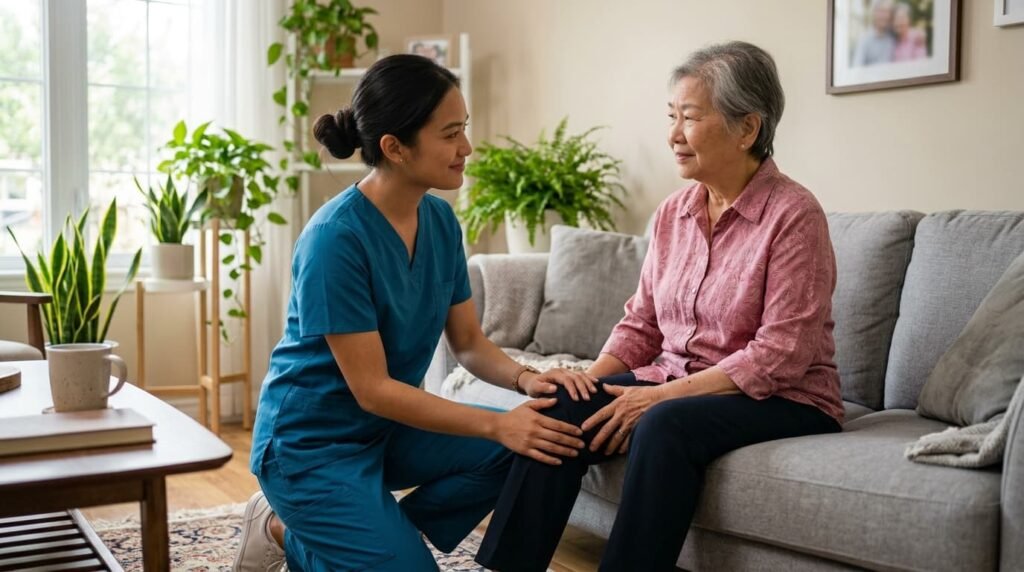
Other knee osteoarthritis risk factors include:
- Female sex (especially after menopause)
- Physically demanding occupations
- Repetitive kneeling or squatting
- Muscle weakness, particularly in the quadriceps
- Misalignment of the knee joint
One common misconception: exercise itself does not cause this condition. Appropriate physical activity actually protects the joint.
Knee Osteoarthritis vs Rheumatoid Arthritis: Key Differences
These two conditions are often confused, but they are fundamentally different.
| Feature | Knee Osteoarthritis | Rheumatoid Arthritis |
| Cause | Wear and tear | Autoimmune disease |
| Age of onset | Usually 50+ | Any age, including younger adults |
| Pattern | Often one knee first | Usually both joints symmetrically |
| Morning stiffness | Under 30 minutes | Often over 1 hour |
| Swelling type | Fluid accumulation | Active inflammation |
| Blood markers | Usually normal | Elevated inflammatory markers |
Knee osteoarthritis vs rheumatoid arthritis is more than an academic question — the treatments differ significantly. Rheumatoid arthritis is managed with disease-modifying drugs that suppress the immune system. Osteoarthritis is managed through pain relief, physical therapy, and joint protection strategies.
Getting the correct diagnosis from a healthcare provider is essential before starting any treatment.
Knee Osteoarthritis Treatment Options That Actually Help
There is no cure for this condition. But there are many ways to reduce pain, slow progression, and protect quality of life. Treatment works best when started early and combines several approaches.
Non-Surgical Treatment for Knee Osteoarthritis
Knee osteoarthritis treatment without surgery is effective for a large proportion of people — even those at moderate or advanced stages. The goal is to reduce knee pain in osteoarthritis, maintain joint function, and slow further deterioration.
Weight management is often the single most impactful intervention. Even modest weight loss reduces joint load considerably.
Physical therapy focuses on strengthening the muscles around the knee, which helps stabilise the joint and reduce the burden on cartilage.
Pain relief medications include over-the-counter options such as paracetamol and anti-inflammatory drugs. Topical anti-inflammatories applied directly to the knee are particularly useful for people who wish to avoid oral medication.
Knee bracing can improve alignment and reduce instability, particularly in cases where knee buckling is an issue.
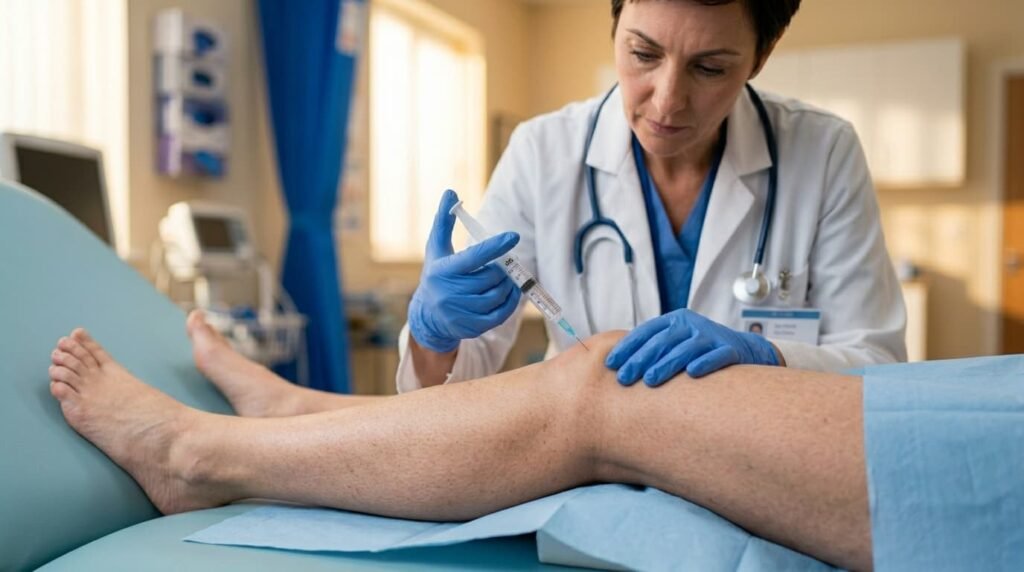
Corticosteroid injections provide short-term relief for significant flare-ups. Hyaluronic acid injections are also used, though evidence on their effectiveness varies.
Arthrosamid injection is a CE-marked polyacrylamide hydrogel that integrates with the synovial lining of the knee to provide cushioning from within the joint. A single procedure, performed under local anaesthetic, can offer relief for up to five years — making it a practical option for those looking to avoid or delay surgery.
Assistive devices — a walking stick, for example — can meaningfully reduce the load on a painful joint during daily activity.
Knee Osteoarthritis Exercises for Pain and Stiffness
Staying active is one of the most evidence-based things someone with this condition can do. Knee osteoarthritis exercises should be low-impact, consistent, and chosen to strengthen without placing excessive stress on the joint.
Effective options include:
- Quadriceps strengthening: Straight leg raises and seated knee extensions build the muscle that supports the knee most directly.
- Hamstring stretches: Tight hamstrings increase joint stress; keeping them flexible helps.
- Cycling: Low-impact, joint-friendly, and effective for both strength and cardiovascular health.
- Swimming and hydrotherapy: Water reduces body weight load on the joint while allowing full movement.
- Walking: Short, regular walks are preferable to infrequent long walks that lead to pain flares.
Avoid high-impact activities like running on hard surfaces or sports that involve sudden pivoting — at least until pain is well-controlled.
When Does Knee Osteoarthritis Pain Require Surgery?
Surgery is not the first option, but it becomes appropriate when non-surgical approaches have been exhausted and quality of life is significantly affected.
Total knee replacement surgery involves removing the damaged joint surfaces and replacing them with artificial components. Outcomes are generally very good — most people report significant pain reduction and improved mobility.
Partial knee replacement is an option when damage is confined to one compartment of the knee.
Arthroscopic procedures are less commonly recommended now for this condition, as research has shown limited long-term benefit in most cases.

The decision to proceed with surgery depends on age, overall health, the severity of symptoms, and how much the condition is affecting daily life. A thorough conversation with an orthopaedic specialist is the best starting point.
Frequently Asked Questions
What are the first signs of knee osteoarthritis?
The early signs of knee osteoarthritis include mild stiffness when getting up after sitting, a knee grinding noise when walking, and aching after activity. Many people dismiss these as general tiredness. Noticing them early allows for earlier intervention.
What causes knee osteoarthritis pain at night?
At more advanced stages, knee osteoarthritis pain at night occurs because the joint has lost enough cushioning that even resting positions create pressure on sensitive bone surfaces. Inflammation also tends to peak at night. Adjusting sleep position and using a supportive pillow between the knees can help.
Can knee osteoarthritis be treated without surgery?
Yes. Knee osteoarthritis treatment without surgery is effective for many people. Weight management, physiotherapy, appropriate exercises, pain medication, and bracing can significantly reduce symptoms and slow progression — particularly when started before stage 4.
What is the difference between bone on bone knee and early osteoarthritis?
Early osteoarthritis involves mild cartilage thinning with intermittent symptoms. A bone on bone knee refers to stage 4, where almost all cartilage is gone and the bones grind directly against each other during movement. Pain, stiffness, and instability are much more severe at this point.
How does knee osteoarthritis differ from rheumatoid arthritis?
Knee osteoarthritis vs rheumatoid arthritis comes down to mechanism: osteoarthritis is wear-related, while rheumatoid arthritis is an autoimmune disease. Rheumatoid arthritis typically causes longer morning stiffness, affects joints symmetrically, and shows up in blood tests. Osteoarthritis usually does not.
What exercises help with knee osteoarthritis?
The best knee osteoarthritis exercises are low-impact: cycling, swimming, straight leg raises, and walking. These strengthen supporting muscles without placing excessive load on the damaged joint. High-impact activities like running on hard surfaces should be avoided during flare-ups.
Why does the knee feel stiff after sitting?
The knee feels stiff after sitting because prolonged inactivity allows joint fluid to redistribute and the surrounding tissues to tighten. This is known as “gelling” and is a hallmark of osteoarthritis. Moving gently and regularly throughout the day helps reduce this symptom.
What are the risk factors for developing knee osteoarthritis?
Key knee osteoarthritis risk factors include older age, excess body weight, previous joint injuries, female sex (especially post-menopause), genetics, and physically demanding work. Muscle weakness around the knee also increases risk by reducing natural joint support.
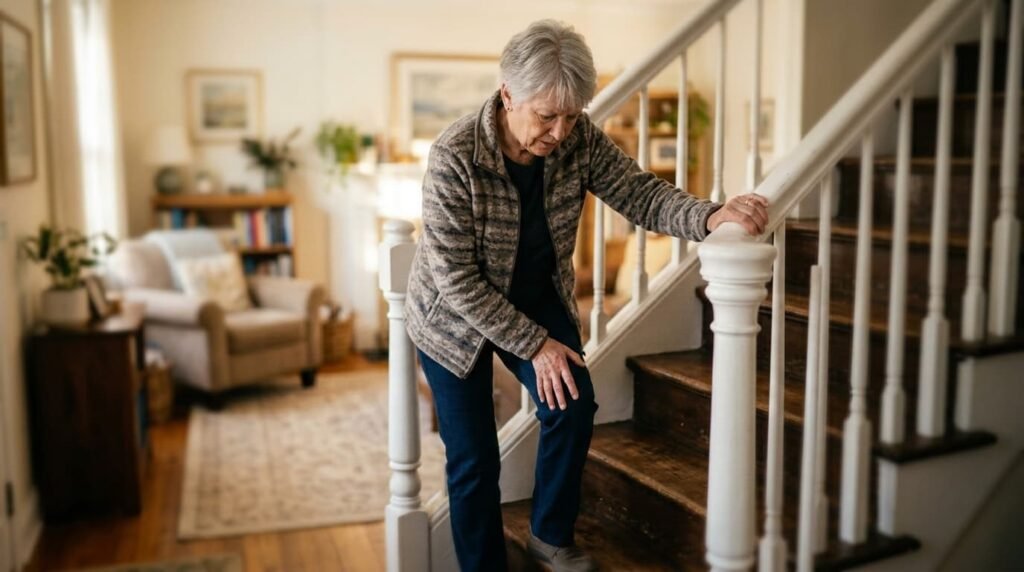
Knee osteoarthritis pain is manageable — but it rarely improves on its own. The earlier the condition is addressed, the more options are available and the better the outcome tends to be.
Whether the goal is to reduce daily discomfort, stay active, or explore advanced treatments like Arthrosamid injection before considering surgery, the right guidance from a qualified specialist makes a real difference.
Mr Syed Nadeem Abbas is a knee specialist based at Harley Street, London, with extensive experience in non-surgical knee osteoarthritis treatment. His clinic, Knee Pain Clinic UK, specialises in Arthrosamid injections and has helped over 3,500 patients reduce knee pain and return to the activities they care about without going under the knife.
Read more: Recognizing Knee Osteoarthritis and How Arthrosamid Injection London Help
Read more: Joint Pain Causes: What’s Hurting Your Joints and Why